A healthy, natural-looking smile can influence how people feel about their appearance and how comfortably they interact with others. Professional cosmetic dentist practices focus on improving the visual qualities of teeth while, in many cases, supporting their function as well. Modern treatments range from relatively simple procedures to more involved restorations, giving patients several options based on their goals. Understanding what these services involve can make it easier to have productive conversations with a dental professional and determine which approach may be appropriate.
Teeth Whitening and Enamel Enhancement
Professional teeth whitening is among the most familiar cosmetic dental procedures. Over time, teeth can become discolored because of foods, beverages, tobacco use, aging, and other factors.
A dental professional can evaluate the source and severity of discoloration before recommending an appropriate whitening approach. In-office treatments generally use professional-strength whitening agents, while take-home options may involve customized trays and dentist-provided products.
The whitening process is designed to break down certain stains within the tooth structure, creating a lighter overall appearance. Treatment results can vary depending on the original shade of the teeth and the types of stains present. Existing dental restorations, including crowns and fillings, generally do not respond to whitening agents in the same way as natural enamel. A consultation can help determine whether whitening is likely to produce the desired improvement.
Cosmetic dentist practices may also offer enamel contouring when minor imperfections affect the shape of individual teeth. This procedure involves carefully removing a small amount of enamel to adjust uneven edges, slightly alter tooth shape, or improve symmetry. Because enamel does not grow back, dentists must evaluate the tooth carefully and remove only an appropriate amount.
Veneers and Tooth-Colored Restorations
Dental veneers provide another way to address visible imperfections. These thin coverings are designed to bond to the front surfaces of teeth, helping change their apparent color, shape, size, or alignment. Veneers may be considered for teeth affected by discoloration that does not respond adequately to whitening, minor chips, uneven shapes, or small gaps. The process typically involves an examination, treatment planning, preparation, and placement.
The preparation process depends on the type of veneer and the patient’s individual circumstances. Some veneers require removal of a limited amount of enamel so the finished restoration can fit properly and appear natural. The dentist also considers factors such as bite alignment, tooth proportions, and the relationship between the proposed veneers and surrounding teeth. Careful planning helps create a result that complements the overall smile rather than making individual teeth appear out of place.
Crowns and Comprehensive Smile Improvements
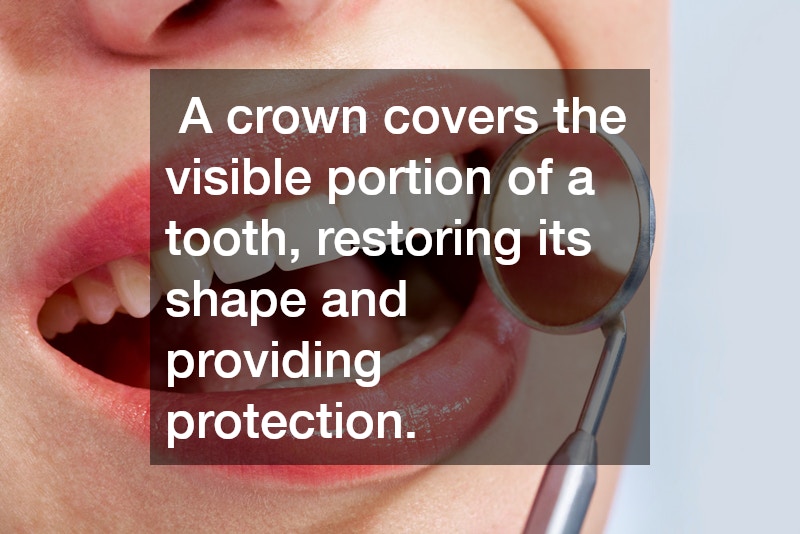
Dental crowns can combine restorative and cosmetic functions when a tooth has significant structural damage or has undergone certain dental procedures. A crown covers the visible portion of a tooth, restoring its shape and providing protection. Tooth-colored materials can be selected to coordinate with neighboring teeth, making the restoration less noticeable when someone smiles.
Unlike treatments intended only to change surface appearance, crowns may be appropriate when a tooth needs additional structural support. The dentist evaluates the condition of the tooth, surrounding tissues, bite, and overall oral health before recommending this type of restoration. Addressing underlying dental problems first can help establish a stable foundation for cosmetic improvements.
Cosmetic dentist practices may also combine several procedures into a coordinated treatment plan. For example, a patient might receive whitening followed by bonding or veneers to create a more consistent appearance. Comprehensive planning considers how individual treatments interact, including tooth color, proportions, bite relationships, and gum visibility. The goal is to produce a balanced result rather than simply changing one isolated feature.
The consultation process is an important part of determining which procedures make sense. A dentist can examine the teeth and gums, discuss the patient’s concerns, review treatment alternatives, and explain potential limitations. Some cosmetic concerns may be better addressed through orthodontic, restorative, or preventive care rather than a purely cosmetic procedure. Personalized evaluation helps ensure that treatment decisions account for both appearance and oral health.
Understanding the basic procedures available through cosmetic dentistry provides useful context before scheduling treatment. Whitening, bonding, veneers, contouring, and crowns each address different concerns and involve different considerations. With professional evaluation and careful planning, patients can better understand their options and choose treatments that align with their dental needs and aesthetic goals.