Home care services play an essential role in supporting individuals who require assistance with daily activities. Typically catered to seniors or those with chronic illnesses, these services aim to allow individuals to live comfortably in their own homes as opposed to institutional care settings.
It provides an array of services ranging from medical care to help with household tasks, thus offering a customized approach to meet varied individual needs.
The scope of home care can include personal care, household care, and healthcare services. Personal care may involve assistance with bathing, dressing, and mobility. Household care often encompasses cooking, cleaning, and shopping, while healthcare services may include medical treatments administered by licensed professionals. Together, these services ensure that the physical, emotional, and social needs of the individual are met effectively.
A common misconception is that home care services are exclusively for the elderly. While a significant portion of users are seniors, home care also supports individuals recovering from surgery or dealing with disabilities or chronic illnesses regardless of age. Home care enables these individuals to maintain a higher degree of independence while receiving the appropriate level of care tailored to their specific circumstances.
The Role of Home Care Professionals
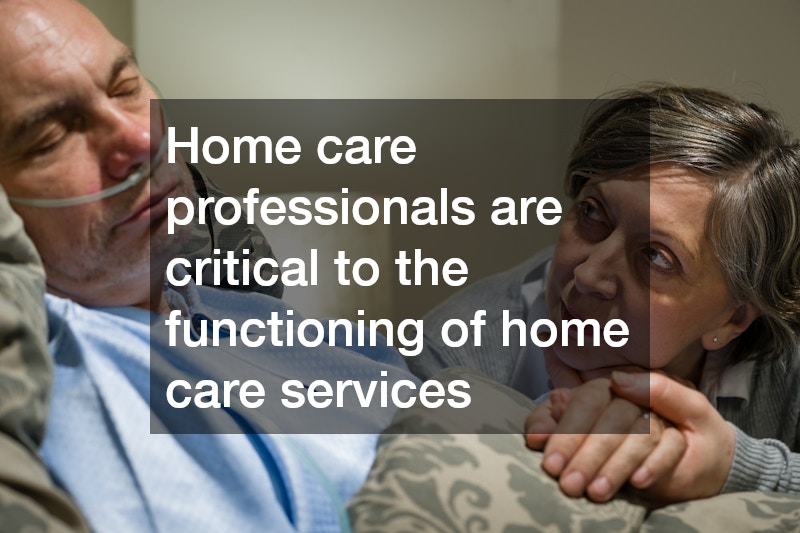
Home care professionals are critical to the functioning of home care services. Their expertise and compassion make them invaluable in providing quality care. These professionals can range from registered nurses and therapists to home health aides and personal care assistants, each offering unique skills and experiences to cater to their clients’ diverse needs.
Registered nurses and therapists often handle medical-related aspects of care. They manage everything from medication administration to physical therapy, ensuring that the health of clients is adequately monitored and maintained. On the other hand, home health aides and personal care assistants focus more on everyday personal and household tasks, ensuring a safe and supportive living environment.
The relationship between home care professionals and their clients is built on trust and understanding. This dynamic is crucial as caregivers often develop close bonds with their clients, learning their preferences and delivering personalized care. By fostering strong relationships, home care professionals enhance the overall quality of life for their clients, providing companionship and reducing feelings of isolation.
The Benefits of Home Care Services
One of the primary benefits of home care services is the comfort they provide by allowing individuals to stay in their own homes. Familiar surroundings can contribute to mental well-being and promote a stronger sense of independence. Home care services adapt to the specific needs of the individual, providing the right level of assistance without stripping away autonomy.
Additionally, home care services offer a cost-effective alternative to traditional nursing homes. While these facilities can be expensive, home care often provides a more affordable option for long-term care. By receiving care at home, individuals and their families can reduce financial strain while ensuring that their loved ones receive high-quality care.
A critical, yet sometimes overlooked, benefit of home care services is the peace of mind they bring to family members. Knowing that their loved ones are being well taken care of allows family members to focus on other responsibilities with reduced stress. This is especially important in today’s fast-paced world, where balancing work and family life can be challenging.
Choosing the Right Home Care Service
Selecting a home care service can be a daunting task, given the plethora of options available. It is essential to research various providers and understand the services they offer before making a decision. Look for agencies or professionals with a proven track record, positive testimonials, and appropriate qualifications and licenses.
Interviewing potential caregivers or agencies is an essential step in the selection process. During this phase, discuss specific needs and expectations to ensure that the provider can accommodate them. Clear communication from the beginning is crucial in establishing a successful and productive relationship between caregivers and clients.
Additionally, consider the flexibility of the home care service provider. Care needs may change over time, so it’s vital to select a provider that can adapt to these changes. Evaluating flexibility, responsiveness, and willingness to tailor care plans ensures that individuals continue to receive optimal care as their circumstances evolve.
The Positive Impact of Home Care Services
Home care services have become a cornerstone of modern healthcare, offering invaluable support to individuals wishing to remain in the comfort of their own homes. These services accommodate a wide array of needs, from simple household tasks to complex medical care, ensuring comprehensive support. With a focus on personalized care and quality service, home care has profoundly impacted the lives of countless individuals and their families.
As populations age and healthcare demands increase, the role of home care services will continue to evolve. Embracing innovations and continually adapting to meet diverse needs will be essential for home care providers. By doing so, they will be able to continue offering high-quality, compassionate care to those in need.
Ultimately, home care services not only provide practical support but also promote a better quality of life. By fostering independence and prioritizing personal preferences, home care allows individuals to maintain their dignity and live fulfilling lives. As understanding and demand for home care services grow, their positive impact will resonate throughout healthcare systems globally.