
Understanding Home Health Care Services
Home health care services have emerged as a vital component of modern healthcare, providing essential support for individuals who prefer to remain in their own homes while receiving medical care. These services encompass a wide array of medical and non-medical support, tailored to meet the unique needs of each patient. From skilled nursing to physical therapy, home care services ensure that individuals can maintain a high quality of life without the need for prolonged hospital stays.
The primary goal of home health care services is to enable patients to recover from illness or surgery in the comfort of their own homes. This personalized approach not only improves patient satisfaction but also drives better health outcomes.
By closely monitoring patients and adjusting care plans as necessary, healthcare providers in the home setting can effectively manage chronic conditions and promote recovery.
Moreover, home care services can significantly reduce the financial burden associated with lengthy hospitalizations. Patients often find that receiving care at home is a more cost-effective option compared to inpatient facilities. This makes home health care a practical choice for many families juggling medical expenses.
Types of Services Offered
Home health care services encompass a wide variety of offerings designed to meet diverse patient needs. Skilled nursing care, for instance, is one of the most common services provided at home, offering expert management of medications, wound care, and more. Additionally, patients may receive physical, speech, or occupational therapy to support rehabilitation and improve functionality.
Non-medical services, such as personal care and assistance with daily activities, are equally important components of home care. These services provide much-needed support in bathing, grooming, and meal preparation, enhancing patient independence and dignity. Companionship services also play a crucial role in reducing loneliness and fostering mental well-being.
Many home care services also include specialized programs for individuals with specific conditions, such as Alzheimer’s or diabetes management. These targeted services provide caregivers with the training and resources needed to address these unique challenges effectively. By offering such a comprehensive range of services, home health care caters to both short-term needs and long-term care plans.
Choosing the Right Home Care Provider
Selecting the right provider for home health care services is a critical decision that can impact the quality of life for both patients and their families. One of the main considerations is the provider’s reputation and experience in the industry. Ensuring that the agency is licensed and accredited can provide additional peace of mind that the care meets rigorous standards.
It is also essential to inquire about the qualifications and certifications of the healthcare professionals delivering the services. Having a skilled and compassionate team of caregivers can make a world of difference in patient outcomes and satisfaction. Personal recommendations and reviews can offer valuable insights into a provider’s reliability and quality of care.
Families should also assess the flexibility and customization of care plans offered by potential providers. Since every patient’s needs are unique, having a personalized care plan that can be adjusted as conditions change is vital. Transparent communication with the provider about expectations and requirements is crucial to ensure a successful partnership.
Benefits of Home Health Care
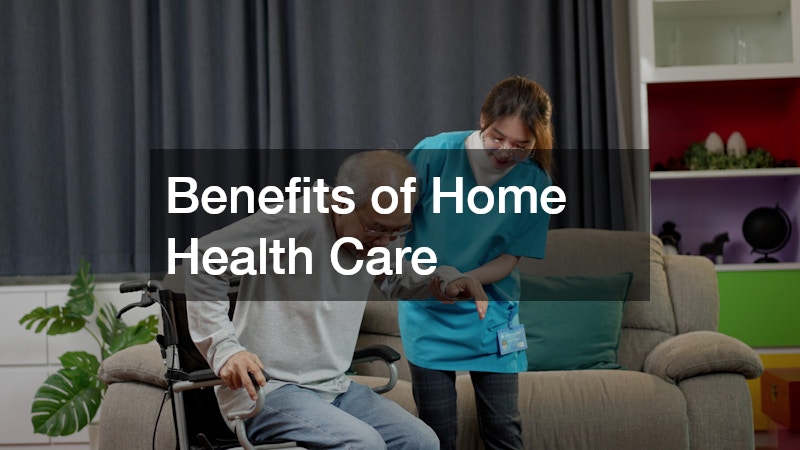
Home health care services provide numerous advantages that extend beyond the immediate medical benefits. For patients, one of the most significant benefits is remaining in a familiar environment while receiving necessary care. Being at home can enhance emotional well-being, reduce stress, and speed up recovery times.
Home care services offer families the assurance that their loved ones are receiving personalized, attentive care. This level of dedicated support often alleviates the burden on family caregivers, allowing them to engage more fully in their personal and professional lives. As a result, the entire family dynamic can improve as stress levels decrease.
Lastly, home health care services can significantly contribute to enhanced patient safety. By reducing the exposure to hospital-acquired infections, patients are less likely to encounter complications during recovery. This strategic advantage often translates to fewer re-admissions and a smoother, more comfortable recovery process.

